Legal entity, permits, land rights and actual decision authority.
01 / KOREA ENTRY · CROSS-BORDER PROJECT PRE-FEASIBILITY
Before entering Korea,
verify what it takes to make the project work.
Regulatory approval is only one part of entry.
Test the conditions that determine whether the project can move, receive capital and operate in practice.
Test the conditions that determine whether the project can move, receive capital and operate in practice.
IEHRA reviews authority, banking and investment pathways, contracts, local partners, site conditions and stakeholder acceptance before capital is committed.
Start a Korea entry review ↗
01 / INBOUND
Entering Korea
Market-entry review for foreign companies and investors
Verify the regulatory, banking, contractual, operational and local conditions required to enter and deliver in Korea.
REQUEST A KOREA ENTRY REVIEW
02 / OUTBOUND
Expanding Beyond Korea
Overseas-entry review for Korean companies and institutions
Cross-check counterparties, government authority, land, contracts, finance, safeguards and field conditions.
REQUEST AN OVERSEAS ENTRY REVIEW
ONE COORDINATED ENTRY REVIEWIEHRA identifies who must decide, what each party must resolve and which evidence is required. Where licensed advice is needed, the appropriate legal, labour, financial and investment professionals are coordinated into the review.
02 / KOREA ENTRY READINESS
Five conditions determinewhether entry can move.
Incorporation is the beginning. A project also needs a workable banking and financing path, accountable contracts, local operating conditions and stakeholder acceptance.
Corporate accounts, foreign exchange, investment flows and financing pathways.
Counterparty substance, authority, obligations and local delivery capacity.
Immigration, labour, employment and the conditions for local operations.
Infrastructure, environment, local government and community acceptance.
01Decision→02Conditions→03Owners & deadlines→04Action→05Re-verification
DOCUMENTED OPINION · ACTION REGISTER · MEASURABLE EXECUTION CONDITIONSFind your entry gap ↓
03 / Evidence
We design the decision criteria
We design the decision criteria
and apply them in the field.
Expert Advisor
Evaluation and advisory for climate-tech and deep-tech ventures at the Gyeonggi Center for Creative Economy & Innovation
CURRENT APPOINTMENTField review of project substance and governance risk in a solar-infrastructure development plan
UGANDA · PUBLIC–PRIVATE STRUCTURE VERIFICATIONDesigned an RBA-based labour and human-rights assessment method and applied it across the supply chain of a global semiconductor leader
RESPONSIBLE SUPPLY-CHAIN MANAGEMENTLabour, human-rights, safety and environmental reviews across manufacturing, infrastructure and plant sites
DOCUMENT-TO-FIELD VERIFICATION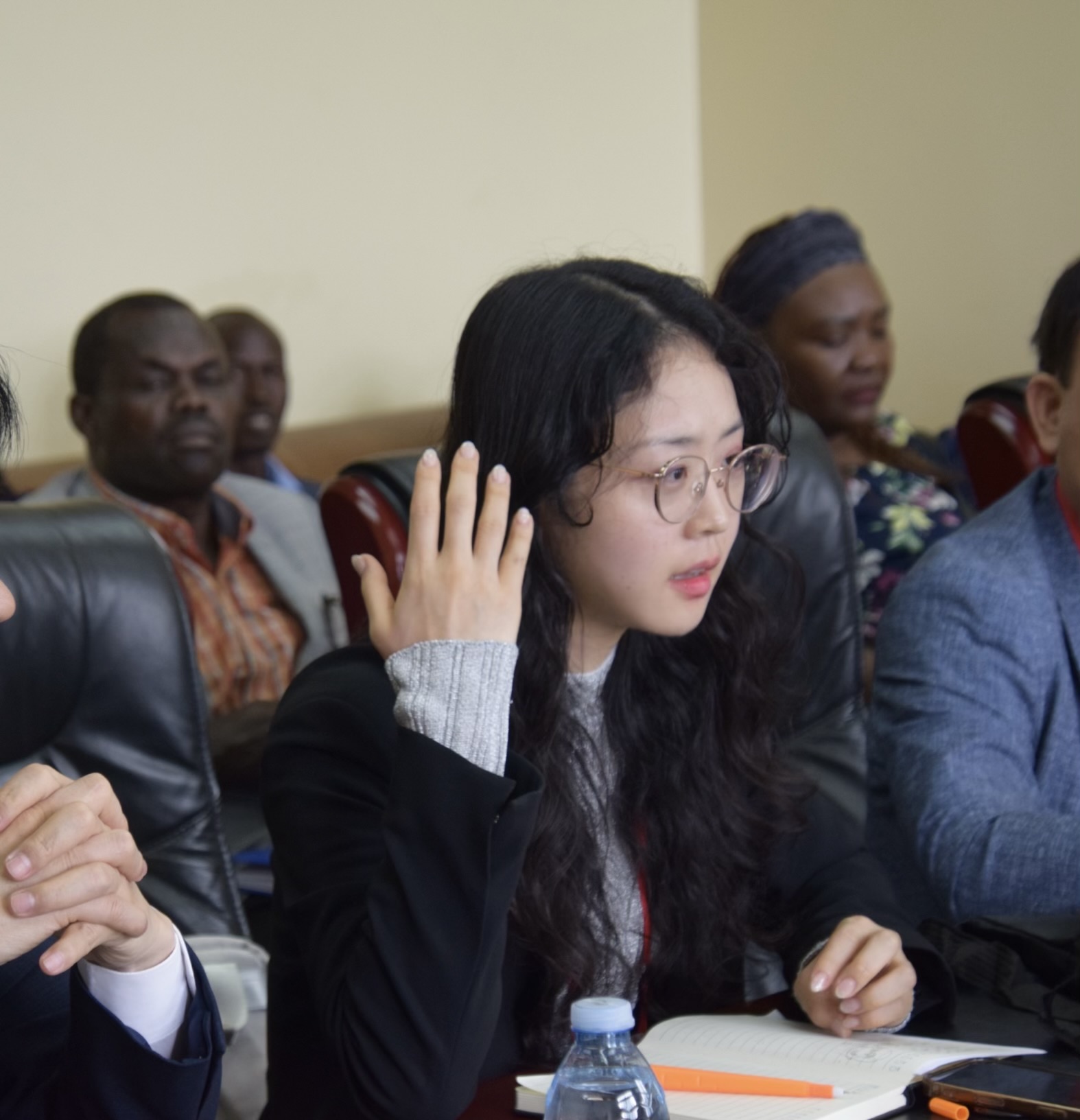
A field consultation examining project substance and the authority, roles, contracts and continuing accountability of participants in a 1 GW solar-infrastructure development plan.
Figures and projects include prior employment and delivery experience of IEHRA President EUNJI WENDY YANG and are distinguished from IEHRA institutional engagements.The expert appointment is an individual role and does not imply an institutional partnership with IEHRA.
04 / KOREA ENTRY DIAGNOSTIC
Where is your Korea entry
currently blocked?
Select the closest issue to see what must be verified, who needs to be involved and what decision the review will support.
Choose the entry condition to resolve
Map the approvals and the people who can actually make the decision.
We review the proposed entity, sector rules, permits, land or operating rights, responsible authorities and the evidence required at each decision gate.
OUTPUTApproval pathway, authority map and required-evidence list
DECISION SUPPORTEDEnter now / Resolve conditions first / Change structure / Hold
DATA-CENTRE DEVELOPMENT PRE-FEASIBILITY
A permit alone does not make
a data centre buildable.
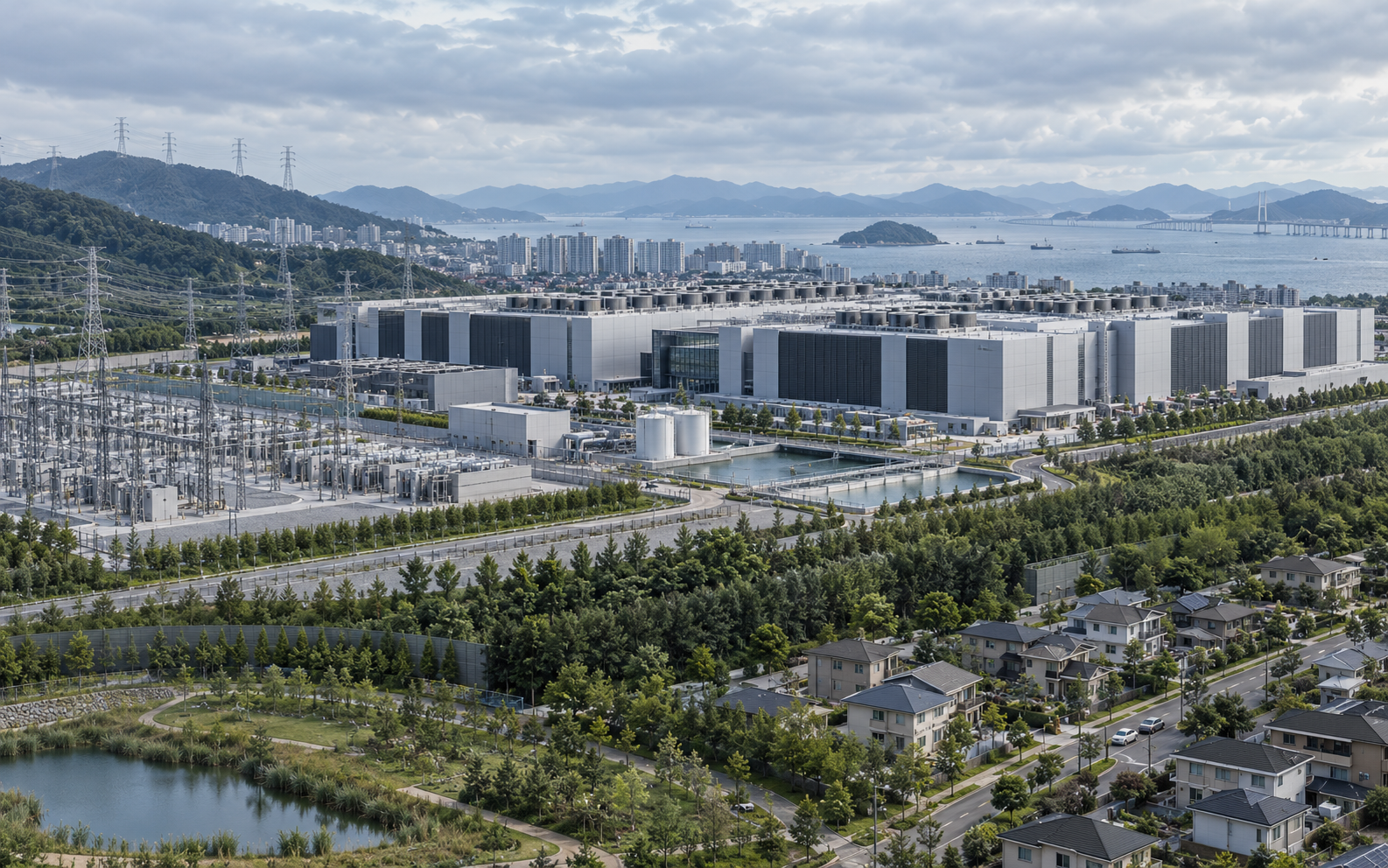
Land and capital are not enough. Grid capacity, water, heat, noise, construction safety, environmental impacts, community acceptance and accountability can still delay or stop the project.
Before the investment decision,
test the conditions that can stop the project.
At the earliest development stage, IEHRA reviews site, resources, community, environment, safety and contract risks as one decision system.
01Site & legal substanceLand rights, zoning, permits, project entity
02Power, water, heat & noiseGrid capacity, cooling water, waste heat, living environment
03Community acceptance & rightsDisclosure, consultation, vulnerable-group impacts
04Human-rights & environmental safeguardsConstruction safety, labour, impacts, grievance handling
05Contracts, accountability & investment conditionsDeveloper, contractor and operator obligations and stop criteria
REVIEW OUTPUTS
- Site and stakeholder risk map
- Required evidence and verification list
- Observation / Caution / Alert / Emergency criteria
- Safeguard action plan
WHY NOW. In Geumcheon, Seoul, resident consent within 200 metres and a three-stage review have been introduced as local responses to data-centre conflict. Formal permission can be only one layer of delivery readiness. Read the development ↗
IEHRA PROJECT PRE-FEASIBILITY SYSTEM
Verify before commitment. Re-verify after execution.
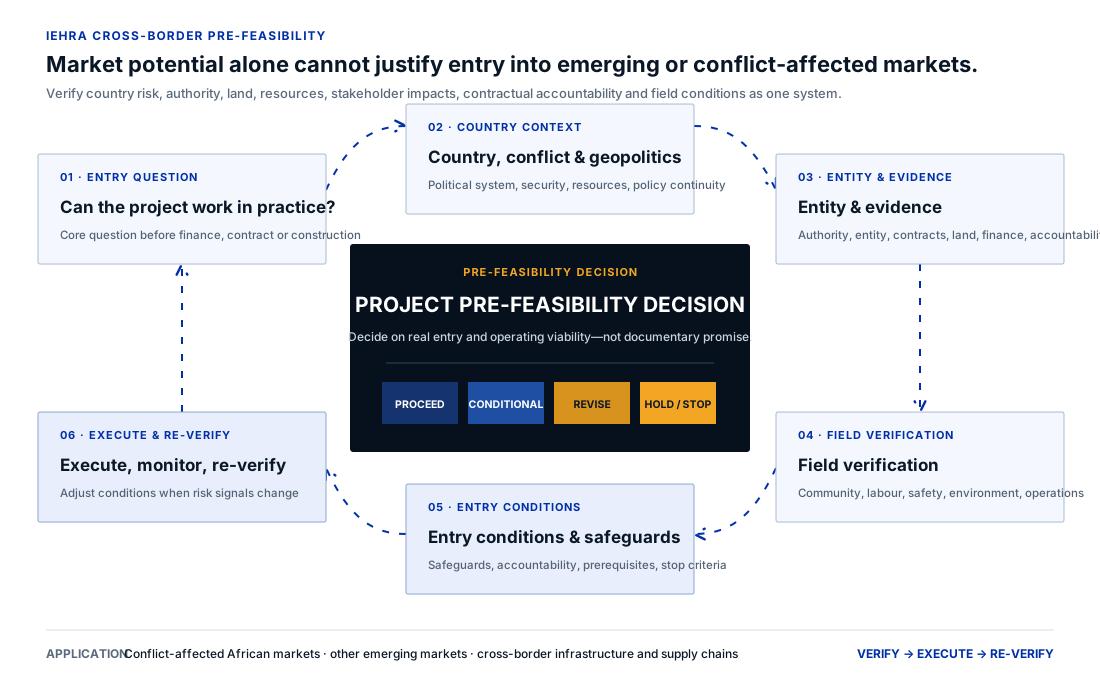
We verify institutional, commercial, physical and social conditions together. Country and conflict context is connected to project substance, field evidence and entry conditions; verified conditions are written into contracts and safeguards, then tested again during delivery. The recommendation is proceed, proceed with conditions, revise and re-review, or hold and stop.
DECISION BASIS ALIGNED WITH INTERNATIONAL STANDARDS
International standards and field evidence support the decision.
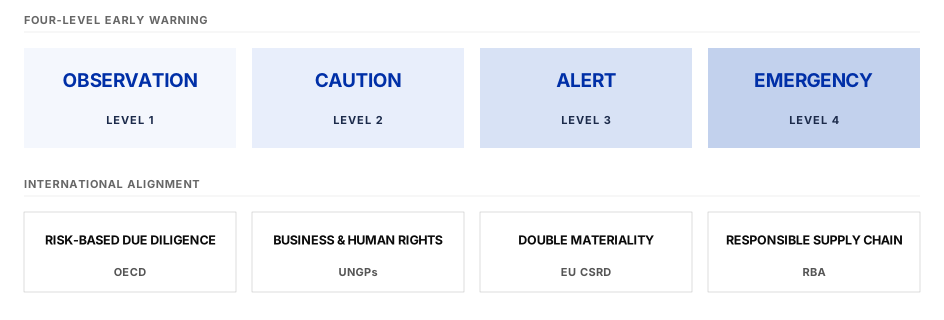
We translate human-rights and environmental due diligence, responsible supply-chain management, stakeholder engagement, grievance and remedy standards into project conditions. The four levels—Observation, Caution, Alert and Emergency—prioritise early warning and re-verification.
FROM REVIEW TO EXECUTION
A documented decision, followed by accountable action.
Every engagement identifies the evidence, people and conditions required to move the decision forward.
Proceed, proceed with conditions, revise and re-review, or hold.
DECISION NOTE · EVIDENCE BASISRequired evidence, approvals, safeguards and conditions precedent.
RISK MAP · CONDITIONS REGISTERResponsibility, professional pathways, negotiation agenda and milestones.
ACTION REGISTER · RESPONSIBILITY MATRIXTest whether agreed conditions and corrective actions work in practice.
30·60·90-DAY STATUS · RE-VERIFICATION FINDINGSFieldwork, stakeholder verification and licensed professional advice are scoped separately when required. Direct expenses are stated separately in the proposal.
INSTITUTION & ACCOUNTABLE LEAD
The person who designs the criteria
also leads the review.
The International ESG & Human Rights Association (IEHRA) is an independent, public-interest governance institution reviewing the conditions that make projects viable in practice. President EUNJI WENDY YANG leads methodology development and major reviews.
 IEHRA PRESIDENT
EUNJI WENDY YANG
President / Governance System Design
Climate Tech Expert Advisor, Gyeonggi Center for Creative Economy & InnovationPresident / Governance System Design
M.A. in International Politics, Korea University
KOICA-recognised international-development research
Supply-chain assessment methodology design
International partnership design, coordination and delivery
International project field review
Her research examined authoritarian rule and refugee policy in the Middle East, and success and failure conditions in public–private infrastructure using World Bank data. She later designed RBA-based supply-chain assessment and field-review methods, translating research questions into practical investment and project criteria.
In international collaboration, she structures the different accounts of governments, companies and communities into shared objectives, roles, accountability and next actions—moving beyond introductions to define how trust becomes contract and delivery.
RESEARCH BASIS · 2020
What actually moves beneath a policy’s public promise
View on ScienceON ↗
Tracing Türkiye from Ottoman traditions of hospitality and Kemalism through democratic periods to Erdoğan’s personalist authoritarian rule, the research analyses how public attitudes, regional ambition, foreign-policy incentives and domestic power become embedded in refugee policy over time.
PUBLIC PROFILE · LINKEDINView leadership experience and work ↗Roles, areas of expertise and selected activities.MEDIA INTERVIEW · KOREATECHDESKRead about cross-border accountability ↗A perspective on project actors, authority and responsibility before execution.
Independence and conflict-of-interest principle
IEHRA separates party statements, objective evidence, institutional fact-checking and policy questions. Before a review, we assess conflicts of interest, personal-data handling and the opportunity to respond. Standard-setting and review are separated from project development and delivery whenever roles overlap.
Request a project review
Tell us the decision you need.
We will propose the scope and fee first.
01Project briefOrganisation, project, location, current stage and decision required.
02Initial document reviewReview available documents and evidence gaps to define the necessary depth.
03Scope, schedule & fee proposalSet out deliverables, roles, timeline, professional fee and direct expenses separately.
04Contract & mobilisationBegin the core review; fieldwork and follow-on delivery expand as required.
IEHRA undertakes project-based independent review, advisory and field verification for companies, public institutions and investors.